
Analysis from the 7th Agricultural Census – Ecowheataly 2025
Italy remains one of the world’s leading producers of durum wheat, the key ingredient for pasta and many traditional products.
According to analyses conducted by Dr. Sara Quaresima (CNR) using data from the 7th General Agricultural Census (ISTAT, 2020), over 195,000 Italian farms cultivate durum wheat.
The data were analyzed by region, province, and altitude class, providing a detailed picture of the national cereal sector.
Puglia and Sicily: the hearts of production
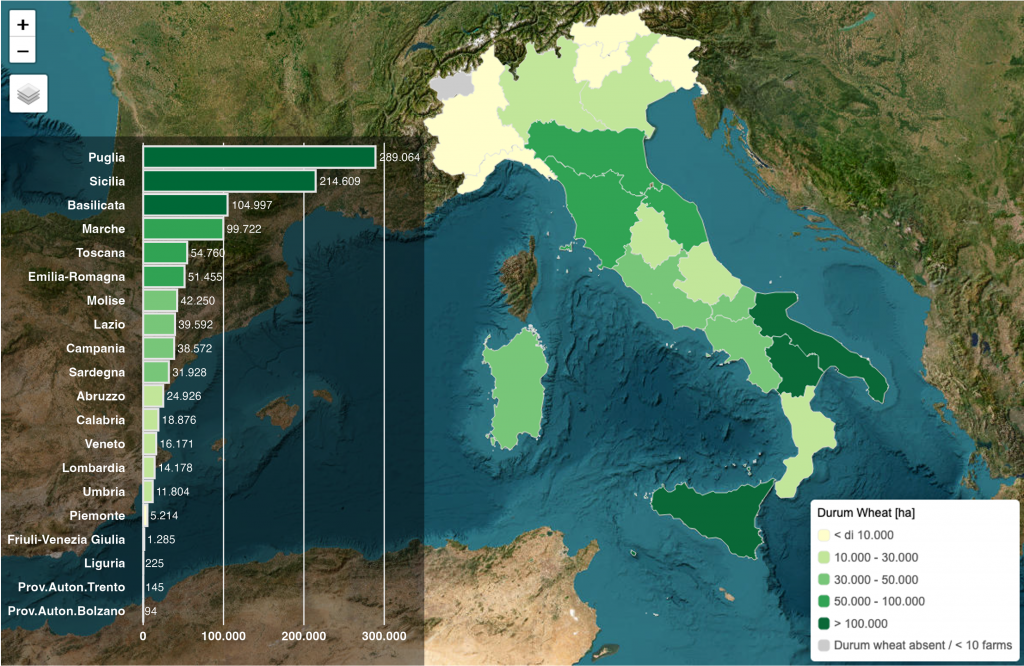
As shown by the regional distribution map, Puglia stands out as Italy’s true “capital of durum wheat,” followed by Sicily.
Most cultivated areas are concentrated in the Central and Southern regions, ranging between 40,000 and 105,000 hectares per region, while Northern Italy plays a smaller role — with lower total acreage but higher mechanization and productivity.
Hills and plains: where wheat grows best
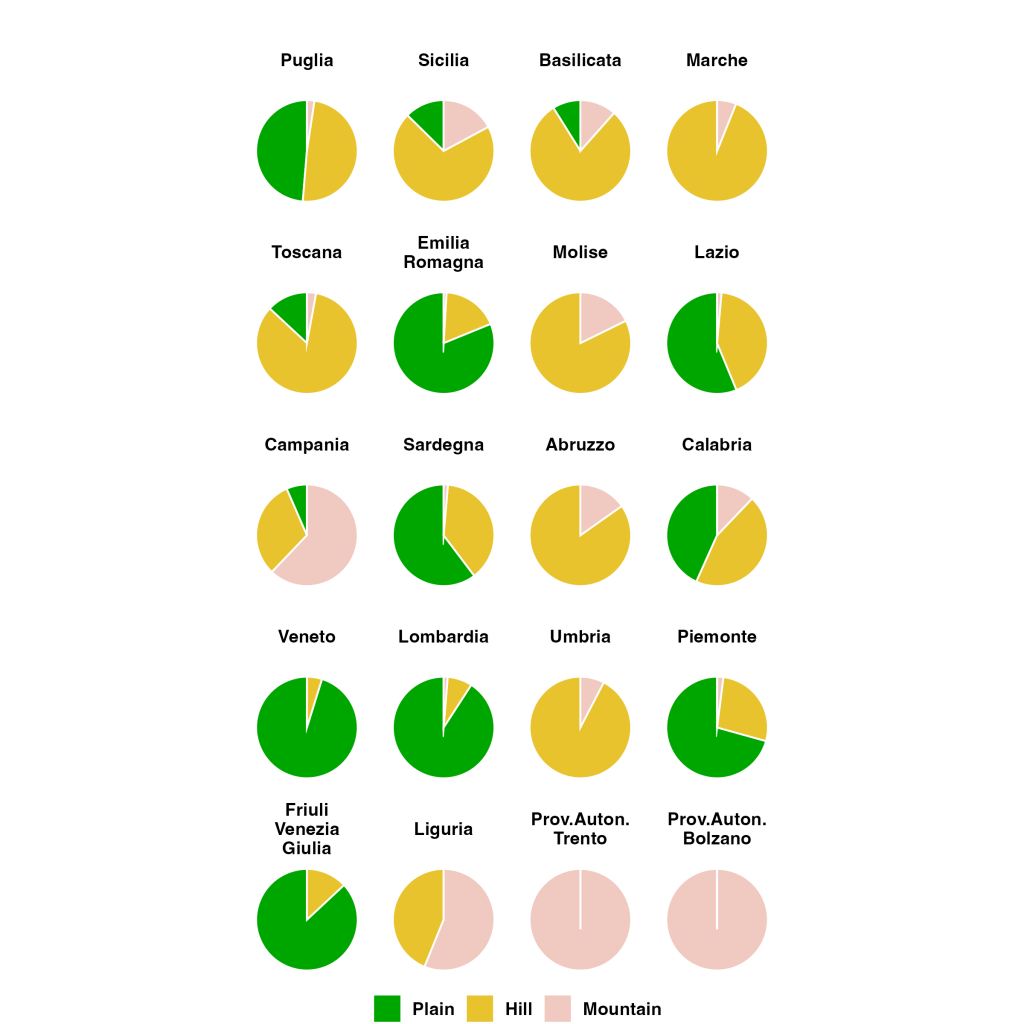
By altitude, durum wheat is mainly grown in hilly areas, where clay-rich soils and favorable climates ensure good yields with limited inputs.
The plains, more common in Northern and Central-Northern Italy, host high-yield, often irrigated and industrially oriented cereal systems.
Mountain areas, instead, account for only a marginal share of total national production.
Leading provinces: Foggia ahead of all
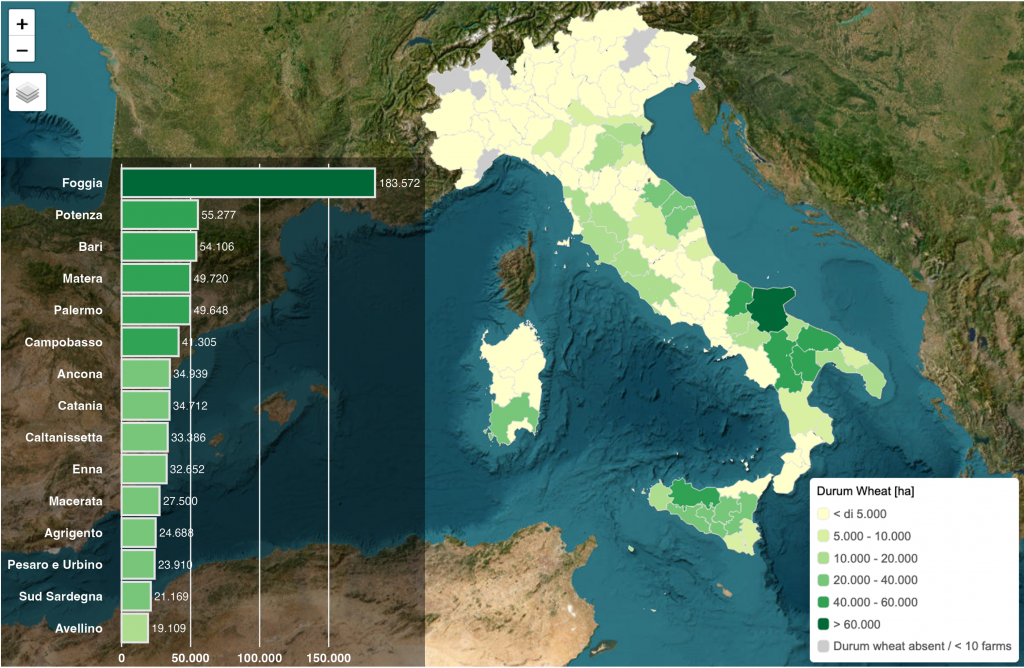
At the provincial level, Foggia leads by far, with over 183,000 hectares cultivated — more than three times the area of the second-ranking province, Potenza.
Other major producers include Sicilian and Lucanian areas, but interestingly, Marche provinces such as Ancona, Macerata, and Pesaro-Urbino also show relevant surfaces, indicating a broader national distribution beyond Southern Italy.
Who grows wheat: age and gender
The analysis also introduces a key socio-economic dimension: the profile of farm managers.
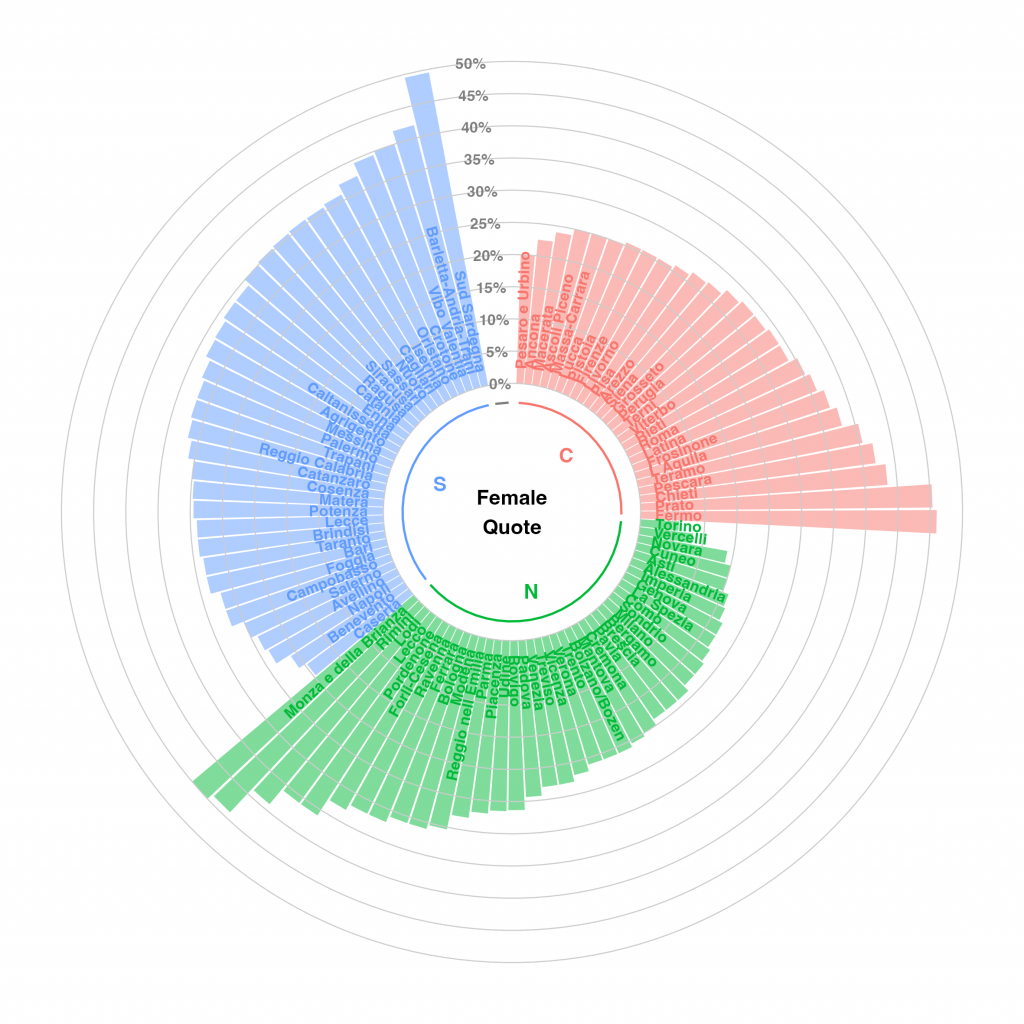
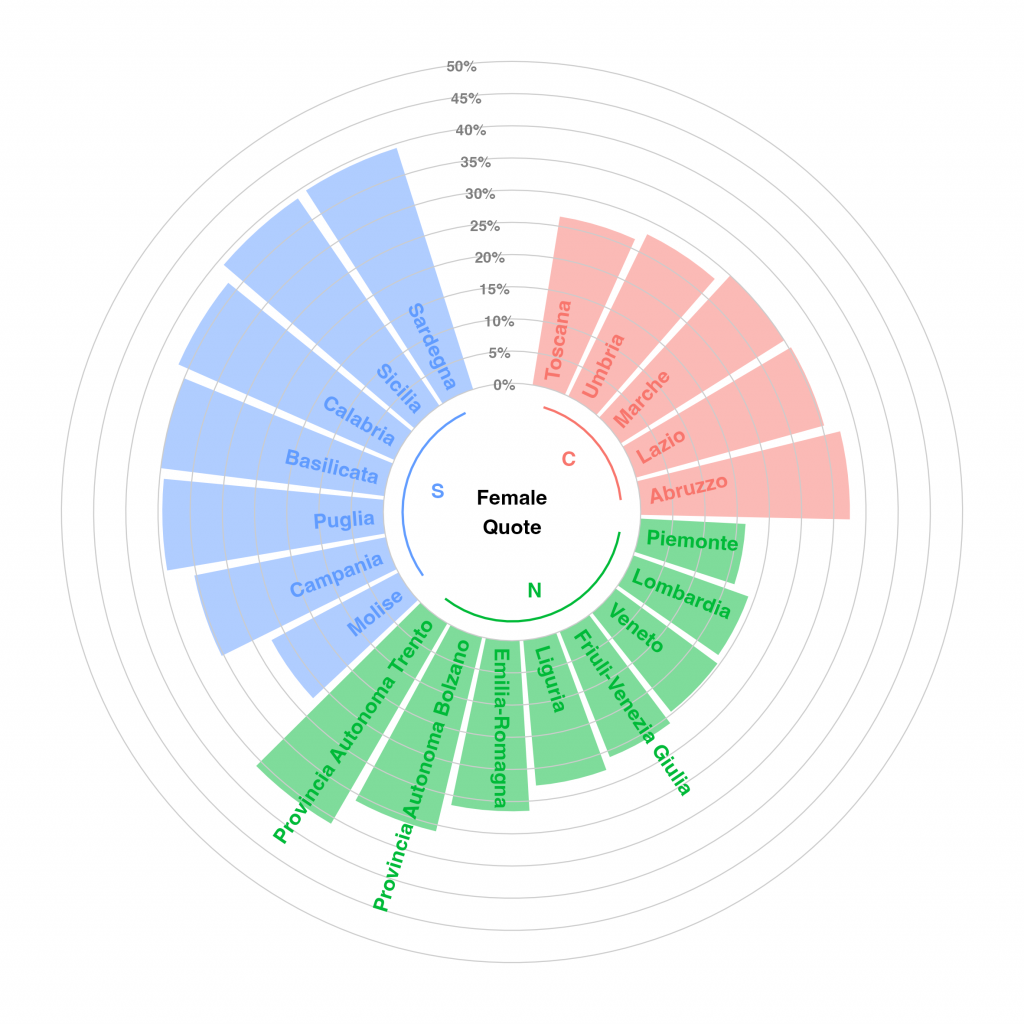
Women remain underrepresented, rarely exceeding 25% in the leading regions.
However, female presence is growing in areas such as Tuscany, Piedmont, and Marche, where wheat is often integrated into multifunctional farms combining production, agritourism, and local processing.
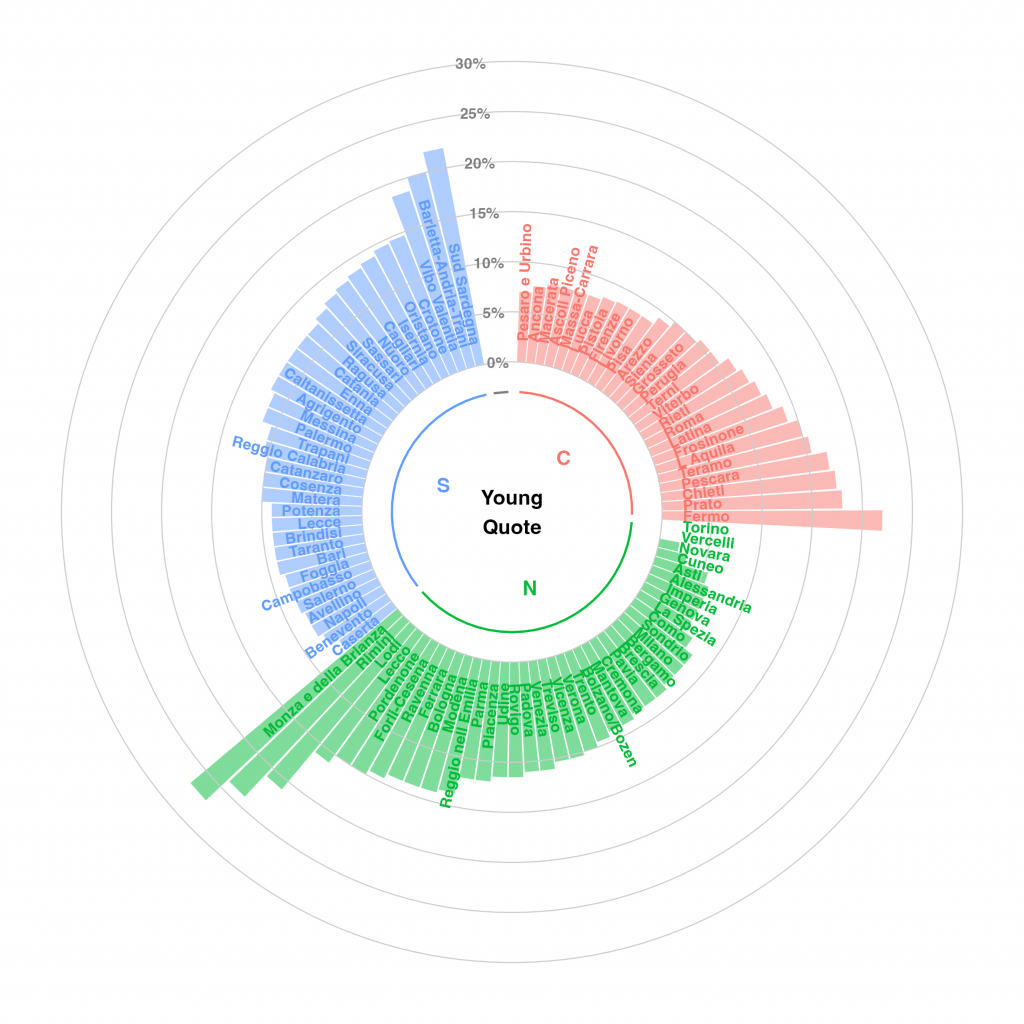
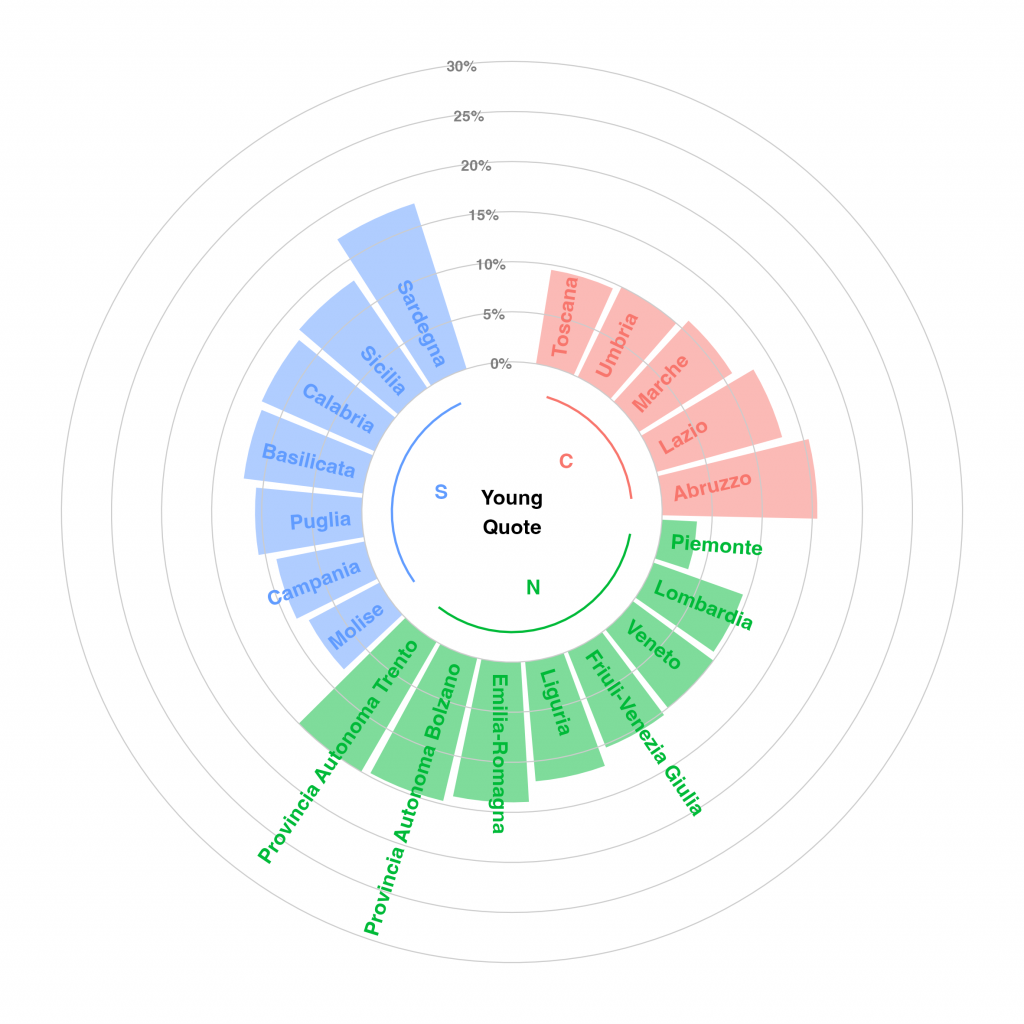
Young farmers (under 40) are still a minority, though more numerous in Southern regions and innovation-oriented areas, where CAP incentives and regional programs are fostering generational renewal.
An updated portrait of Italian durum wheat
The Census data offer a valuable overview of the national production structure:
- 195,735 farms cultivate durum wheat;
- Hilly zones dominate, with suitable soils and balanced yields;
- Foggia is the leading province, followed by Sicily and Basilicata;
- Women and young farmers remain a minority but are gradually expanding their role.
This analysis, presented during the 4th EcoWheataly meeting at CREA headquarters in Rome, contributes to identifying the challenges and opportunities of the Italian wheat supply chain within the context of the ecological transition and the new CAP 2023–2027.
Sources:
- ISTAT, 7th General Agricultural Census (2020)
- Data processing by CREA, Sara Quaresima, EcoWheataly Meeting Rome 2025
- MUR PRIN 2022 project: Evaluation of Policies for Enhancing Sustainable Wheat Production in Italy
- Maps and graphics produced by Dr. Sara Quaresima (CNR)
- The data used in this work come from Istat and relate to the 7th General Census of Agriculture. The analyses were conducted at the Laboratory for the Analysis of Elementary Data of Istat and in compliance with regulations regarding the protection of statistical secrecy and personal data. The results and opinions expressed are solely the responsibility of the author and do not constitute official statistics. It should be noted that the analyses were conducted without using the weights for universe extrapolation.